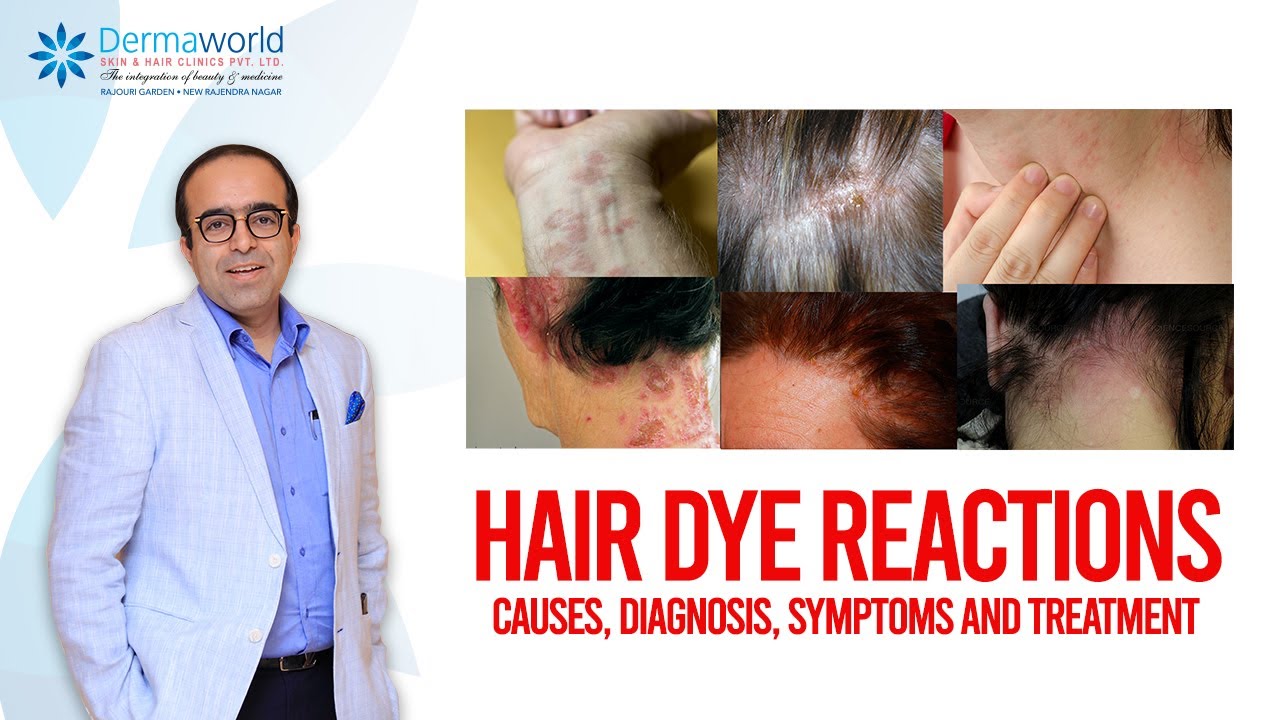
The symptoms can range from mild irritation to severe dermatitis, and they can appear immediately or up to 48 hours after applying the hair dye. Hair dye allergy can also cause hair loss or extreme hair breakage, which can affect your appearance and confidence. The symptoms range from redness and itching to anaphylaxis in rare cases. Conducting a patch test is recommended before you apply hair dye to your hair. To avoid allergies from hair dyes, you could opt for hair colors that use para-toluenediamine (which is considered safer) or henna. Contact dermatitis is a type of skin sensitivity common in some persons.
Understanding Hair Dye Allergy Symptoms
Hair Product Allergy: A Review of Epidemiology and Management - Cureus
Hair Product Allergy: A Review of Epidemiology and Management.
Posted: Thu, 11 Apr 2024 07:00:00 GMT [source]
“Over time, the skin can become sensitized and develop a rash.” In case you’re wondering, the same goes for henna, too. Hair dye allergy is a type of contact dermatitis, which means inflammation of the skin caused by direct contact with an allergen. The most common allergen in hair dye products is a chemical called paraphenylenediamine (PPD), which is used to create permanent and semi-permanent hair colors. PPD is also found in other products, such as temporary tattoos, printer ink, and gasoline.
Burnt Cinnamon Red Hair Color Anyone!
You can then check product labels and avoid products containing these chemicals. Here's what to do if you experience symptoms after coloring your hair (at home or with a pro's help). But that’s not to say that one session in your colorist’s chair (or if you’re doing your hair yourself at home) can’t lead to an immediate reaction — it can. “So, what may begin as itch can progress to severe redness and even swelling and blisters,” she shares. While most chemicals in hair dye are considered safe to use, leaving the chemicals on the scalp for too long can be irritating for most people. Most contact dermatitis from a hair dye allergy is classified as type 4 hypersensitivity, and it usually takes hours or more for symptoms to occur upon exposure.
What is a safe hair dye for allergy sufferers?
If you have an allergic reaction following a visit to a hair salon or after using an in-home hair dye kit, contact emergency services immediately. At McLean & Potomac Dermatology, we can identify your allergens and help you get the care you deserve. People can become allergic to PPD at any time, even if they have been exposed to it before without problems. A mild reaction to PPD might involve dermatitis (an inflammatory skin reaction) at the point of contact. In more severe cases, there may be marked reddening and swelling of the scalp and the face, and the eyelids may completely close.
I Dyed My Hair Black and It Nearly Killed Me - Newsweek
I Dyed My Hair Black and It Nearly Killed Me.
Posted: Thu, 26 Oct 2023 07:00:00 GMT [source]
The most common cause of these allergic reactions is para-phenylenediamine (PPD). Preventing hair dye allergies involves proactive measures, including patch testing, choosing PPD-free products, and following recommended precautions. For those who wish to avoid traditional hair dye products, alternative methods include vegetable-based dyes, temporary color options, wigs, and hair accessories. The team prepared seven dyes based on PPD with modifications to the aromatic amine core. The modifications were chosen to potentially make the compounds less reactive toward proteins and less able to be absorbed into skin. All seven compounds permanently colored hair samples, producing a range of hues from rosy pinks to deep blacks that did not fade, even after three weeks of daily washing.

What You Need to Know About Allergic Reactions to Hair Dye

However, most individuals with PPD allergy can generally safely wear wigs or fur coats dyed with PPD. PPD allergy may also rarely present as erythema multiforme or contact urticaria. PPD has also been suspected of precipitating contact leukoderma and vitiligo in genetically predisposed individuals. Simply choosing another shade or another brand is not enough as many will use the same ingredients. Symptoms can develop up to 48 hours after the dye has been used but with each additional use they can come on quicker and may be more severe.
Avoiding products with PPD
Ammonia, resorcinol, and peroxide are among the substances that might cause allergic contact dermatitis in some persons. Numerous substances used in hair dyes have the potential to harm the skin or trigger an allergic reaction. PPD allergy may be suspected clinically and is confirmed by patch testing.
Being part of the many natural ingredients known to color hair, henna doesn’t cause an itchy scalp or swelling of the hair shafts. One of the best traits of a hypoallergenic hair dye is its versatility and variety of color options. Whether you want to turn your hair blond or want to try dark brown hues, you can ask your hair stylist for an allergy-friendly hair dye option and rock your favorite hair color risk-free. Furthermore, carrot juice and beet juice are also natural hair dyes that can deliver decent gray hair coverage and enhance your natural hair color.
What is the treatment of paraphenylenediamine dermatitis?
Instead, the Wella Koleston Perfect Innosense dye has a new molecule called Me+, which has a unique shape that bypasses T cells, the cells in your body that power your immune system. If your body's T cells don't recognize the molecule as an allergen, you won't develop an allergy to it. I expect that the new dye will be a holy-grail product for women like Perrette with a serious allergy to PPD. If you experience a hair dye reaction that is moderate to severe and does not get better or gets worse after two days, you should seek professional help as soon as possible.
The chemical PPD was first formulated for use in hair dye as early as the 19th century, according to the National Center for Biotechnology Information (NCBI). It’s one of the most common and well-known hair dye components as it offers long-lasting color, especially for black hair color and other dark shades. Since early signs of allergic reaction to PPD can develop over 24 to 72 hours (after the chemical oxidizes), doing a patch test is always advised before using hair dyes that include PPD. Symptoms of an allergic reaction to a topically applied hair product include an itchy, red rash on the eyes, ears and face and, sometimes, facial swelling. The likely culprit is the coal tar para-phenylenediamine (PPD), found in most permanent hair dyes.
Moreover, the unique formulation allows the hair dye to act as a restoring conditioner that helps hydrate and boost fine hair volume. The beeswax and hops extract in Manic Panic’s hair dye will cover your gray hair while also bumping up moisture. Due to Good Dye Young using natural ingredients like sunflower oil, your hair will feel silky, light, and nourished. Always carry out a patch test before using a permanent or semi-permanent hair dye, even if you are using your regular brand. The substance may either be an irritant, directly damaging the skin, or an allergen, triggering an allergic reaction that affects the skin. Here’s how to recognize a reaction and what to do if you’re not ready to go au naturel.
The prevalence of hair dye reactions has increased in recent years as dyeing hair has become popular among males and females of all ages. Fully oxidized PPD is not a sensitiser, but the intermediate, partially oxidised form of PPD may cause contact allergic dermatitis in sensitive individuals. Hair colour preparations containing PPD or its derivatives carry a warning on the packaging recommending a self patch test prior to use of the dye. You can also try hair color spray, like the L’Oréal Paris Colorista Hair Makeup Temporary 1-Day Hair Color Spray. This temporary spray comes in several vivid colors via pure pigments that coat the strands. The spray washes out after just one shampoo, making it fun and easy to experiment with different hair colors often.
Other choices can include indigo and vegetable-based dyes and semi-permanent dyes that have been certified by an independent laboratory to be free of chemical additives. The FDA also banned Red Dye 3 for use in cosmetics and medications in 1990 based on evidence from studies conducted in rats that the dye could pose a risk for cancer. However, the organization still allows for the use of Red Dye 3 in food and beverage products today. Certified food dyes like FD&C Red No. 40, which is a type of Red Dye 40, must be batch-tested for purity and approved before they can be added to foods and beverages that are regulated by the FDA. This means that every batch of certified dye is theoretically vetted before it enters the food supply.
If you use black temporary tattoos, you may be exposed to additional amounts of PPD. This can also sensitize your system, making you more vulnerable to an allergic reaction to hair dye. Hair dyes containing the most PPD are the most likely to cause allergic reactions. Hair dye brand names can be deceiving, since some include words like “natural” or “herbal” on their boxes. There’s a difference between a sensitivity and an allergy to PPD or other hair dye ingredients.


No comments:
Post a Comment